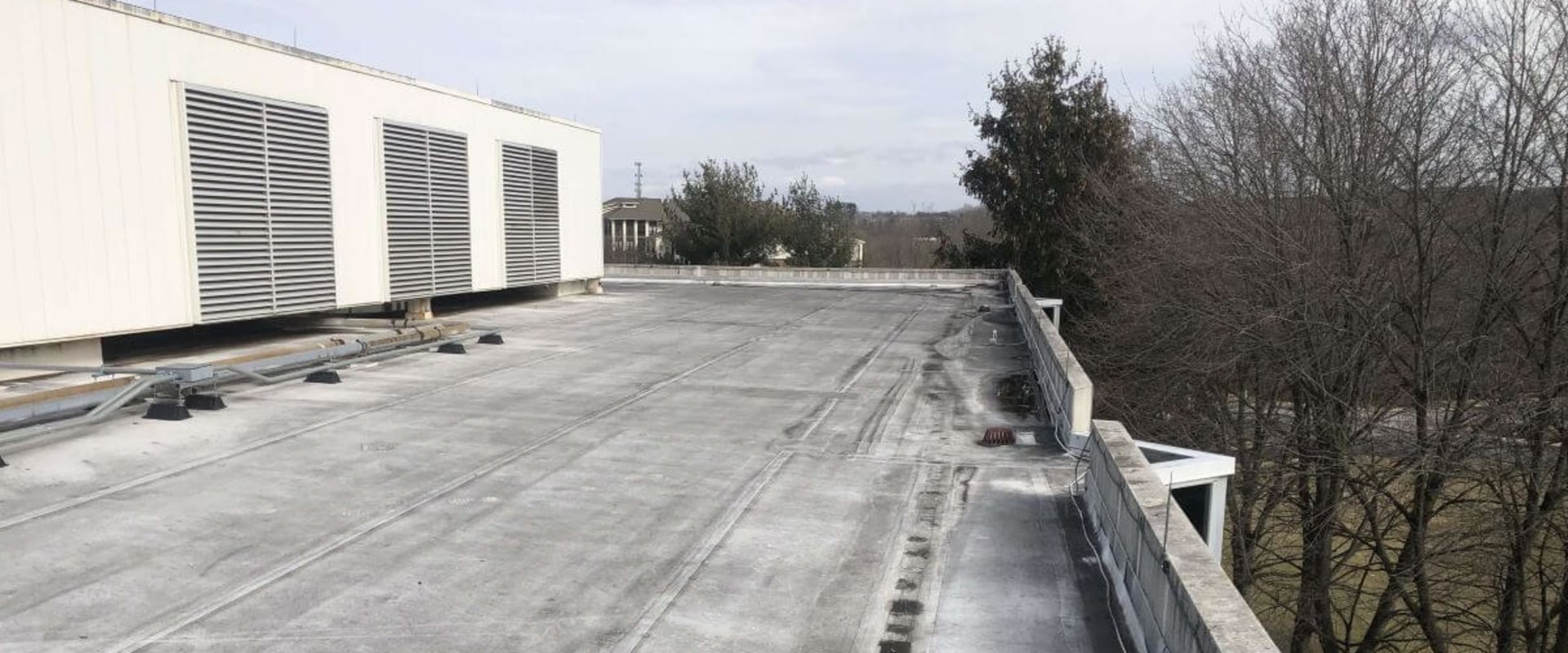
Flat roof coatings deteriorate over time, requiring vigilant assessment fortimely recoating decisions. Property owners must recognize key warningsigns beyond obvious leaks. Cracks, blisters, pooling water, andmembrane shrinkage indicate compromised waterproofing integrity.Environmental factors accelerate degradation rates, while neglectedmaintenance compounds structural risks. The distinction between normalaging and critical failure demands both visual inspection and technicalevaluation. Proper identification of these indicators prevents costlystructural damage and premature roof replacement.
Visual Signs of Coating Deterioration
Five critical visual indicators can signal when a flat roof coatinghas deteriorated beyond acceptable levels. Cracks and blisters on thesurface reveal compromised waterproofing integrity and structuralvulnerability. Similarly, peeling or flaking areas expose underlyingmaterials to environmental stressors, accelerating degradation.
Discoloration, manifesting as fading or patchy appearance, indicateschemical breakdown of protective properties. Bubbles forming beneath the coating suggest trapped moisture or air, which will progressivelyworsen without intervention. Membrane deterioration, characterized byvisible stress patterns or material fatigue, compromises the roof'sprimary waterproofing function.
Regular inspection for these visual markers enables property ownersto identify coating failure before substantial damage occurs. Earlydetection of these deterioration signs can greatly reduce repair costsand prevent extensive interior water damage.
Water Damage and Leak Indicators
While visual deterioration provides external evidence of coatingfailure, water damage and leak indicators reveal the consequences ofcompromised roof integrity. Interior ceiling and wall stains—rangingfrom light yellow to dark brown—often appear along roof seams or aroundvents. These stains typically expand if water intrusion continues.
Auditory cues include dripping or running water sounds duringrainfall, with intensity varying based on leak severity. The presence of black or green mold patches accompanied by musty odors signalsprolonged moisture exposure, presenting potential health hazards.
On the roof surface, ponding water that remains for over 48 hoursindicates drainage issues, while loose fasteners and damaged membranescreate entry points for water. Indoor environmental changes likeincreased humidity, warped flooring, sagging ceilings, and drywalldamage further confirm water infiltration requiring immediate attention.
Age and Material Lifespan Considerations
The lifespan of a flat roof represents a critical factor indetermining recoating requirements, with most systems exhibitingpredictable deterioration patterns over time. Standard flat roofstypically endure 20-30 years, while specific materials demonstratevariable longevity: EPDM rubber membranes can reach 30 years, fiberglass approximately 25 years, and PVC/TPO systems up to 20 years.
Protective coatings generally require replacement every 3-5 years,necessitating routine inspections regardless of overall roof age. Asmembranes age, UV exposure and weather conditions acceleratedeterioration, causing increased brittleness and crack susceptibility.Maintenance records provide essential chronological documentation ofprevious interventions, facilitating informed recoating decisions.Material quality markedly influences performance, with higher-gradecomponents exhibiting superior UV resistance and moisture tolerance,potentially extending intervals between necessary coating applications.
Weather Impact on Roof Coatings
Flat roofs experience significant stress from extreme temperaturefluctuations that cause repeated expansion and contraction of roofingmaterials, eventually leading to microscopic cracks and degraded seals.Prolonged UV radiation exposure accelerates material breakdown bybreaking down chemical bonds in roofing compounds, resulting inbrittleness, chalking, and diminished waterproofing capabilities. Theseweather-induced deterioration processes operate continuously andcumulatively, with visible damage often manifesting only aftersubstantial underlying degradation has occurred.
Extreme Temperature Cycles
Subjected to constant environmental stress, flat roof coatings mustwithstand extreme temperature cycles that cause continuous expansion and contraction of roofing materials. These thermal fluctuations can induce splitting and cracking, particularly in coatings not formulated forsuch conditions.
High-quality silicone coatings engineered for specific climateconditions demonstrate superior durability against temperature extremes. However, freeze-thaw cycles accelerate weathering processes,potentially shortening coating lifespan. As temperatures fluctuate,inadequate elasticity leads to joint failures and loose seams,compromising structural integrity.
Performance degradation manifests through decreased reflectivity when coatings become soiled, resulting in elevated surface temperatures andreduced energy efficiency. To mitigate these effects, properlyformulated coatings with appropriate elasticity should be selected,coupled with regular inspections to identify temperature-related damagebefore it progresses to significant deterioration requiring completereapplication.
UV Radiation Damage
Ultraviolet radiation poses a considerable threat to flat roofcoating integrity, accelerating molecular degradation throughphotochemical reactions that break down essential polymers. Initialmanifestations include visible fading and discoloration, indicators ofunderlying structural compromise.
Advanced deterioration appears as brittleness, cracking, andpeeling—symptoms that considerably reduce waterproofing effectivenessand increase vulnerability to moisture intrusion. In asphalt-basedsystems, granule loss accelerates, while elastomeric coatings mayexhibit blistering or bubbling as trapped moisture vaporizes.
The cumulative impact extends beyond aesthetics to functionaldecline: increased heat absorption elevates cooling costs, whilecompromised material cohesion necessitates more frequent maintenanceinterventions. Buildings with south-facing exposures or in high-altitude environments face accelerated degradation rates. Prompt identificationof UV damage enables timely recoating with UV-resistant formulationsbefore catastrophic system failure occurs.
Maintenance History Assessment
Thorough documentation of past repairs provides critical insight into a flat roof's condition and potential recoating requirements.Maintenance records revealing frequent patching, increasing repairfrequency, or recurring issues in specific areas often indicate systemic coating failure rather than isolated incidents. Signs of neglect suchas missed inspections, deferred maintenance, or unauthorizedmodifications typically accelerate coating degradation and maynecessitate more extensive intervention than simple recoating.
Past Repair Documentation
Maintaining a thorough record of past repairs serves as an essentialfoundation for effective flat roof management. This documentation should include detailed maintenance records detailing dates, materials used,and specific work performed at each location.
Regular inspection reports, typically conducted biannually, providecritical data for identifying deterioration patterns and recurringdefects. Photographic evidence enhances these records by visuallydocumenting damage progression over time. Manufacturers often requiresuch documentation to maintain warranty validity.
Past repair analysis enables property managers to assess materialcompatibility for potential recoating, evaluate adhesion integrity ofexisting membranes, and examine high-stress areas such as drainagepoints and penetrations. This historical data supports predictivemaintenance models, allowing for strategic resource allocation andcost-effective intervention scheduling before catastrophic failureoccurs.
Neglect Warning Signs
Recognizing the warning signs of roof neglect constitutes a criticalaspect of maintenance history assessment for flat roof systems.Infrequent or absent inspection protocols typically manifest inunaddressed deterioration patterns, including membrane separation,surface blistering, and compromised flashings. Professional evaluatorsscrutinize documentation gaps, which often indicate systematicmaintenance failures rather than isolated oversights.
Inadequate repairs, characterized by improper material application or substandard workmanship, frequently indicate historical negligence that accelerates degradation. Similarly, inconsistent record-keeping impedes performance tracking and obscures deterioration timelines. Techniciansspecifically evaluate whether warning indicators such as ponding water,minor leaks, or surface anomalies were documented but left unaddressed—a hallmark of maintenance deficiency that substantially reduces systemlongevity and necessitates premature recoating or thorough replacement.
Structural Integrity Evaluation
The structural integrity of a flat roof demands systematic assessment through multiple specialized testing methods and evaluation tools. Athorough evaluation combines visual inspection with advanced analyticaltechniques like infrared thermal imaging to detect moisture infiltration and thermographic analysis to identify hidden structural issues.
Professionals evaluate flat roof integrity through:
- Capacitance testing to measure moisture levels within the material layers, particularly where water intrusion is suspected
- Low voltage electrical conductance to locate breaches in the waterproofing membrane with precise accuracy
- Analysis of visible indicators including blisters, bubbles, and ponding that suggest underlying structural concerns
- Assessment of maintenance history and drainage efficacy, as these factors greatly impact material performance and longevity
These evaluations must account for material age, weather exposure, and traffic patterns to determine if recoating is necessary.
Professional Inspection Findings
Professional inspection findings provide essential diagnostic datathat determines the necessity for flat roof recoating and serves as abaseline for appropriate remediation strategies. Thorough evaluationsreveal surface degradation, including membrane cracking, blistering, and punctures that compromise waterproofing integrity. Drainage assessments identify ponding water, obstructed flow paths, and compromised slopegradients that accelerate deterioration.
Perimeter and flashing examinations detect sealant failures, metaldistortion, and misalignments that create water infiltrationvulnerabilities. Interior inspections correlate exterior conditions with consequential damage, documenting water stains, mold development, andinsulation saturation. Documentation protocols categorize deficienciesby severity, establishing prioritized remediation schedules withassociated cost projections. These evidence-based findings enableproperty managers to implement targeted recoating interventions thatextend roof service life while preventing catastrophic structuraldamage.
Cost Comparison: Recoating vs. Replacement
Once inspection findings establish the need for roof maintenance,property owners face a considerable financial decision: whether toinvest in recoating or proceed with full replacement. Financial analysis tools like cost-benefit analysis can help quantify the options based on current roof conditions.
Recoating typically offers substantial financial advantages:
- Initial Investment - Recoating costs 30-50% less than full replacement, preserving capital for other property improvements
- Labor Reduction - Noticeably lower labor requirements translate to reduced project timelines and associated costs
- Energy Efficiency ROI - Reflective coatings can reduce cooling expenses by 15-30%, providing ongoing operational savings
- Deferred Replacement - A quality recoating canextend roof lifespan by 10-20 years, effectively postponing the largercapital expenditure of replacement
These benefits must be weighed against the roof's age, structural integrity, and existing damage severity.
Preventive Maintenance Strategies
Implementing effective preventive roof maintenance strategies greatlyextends flat roof lifespans while minimizing costly emergency repairs.Building owners should establish a biannual inspection schedule toidentify issues before they escalate, particularly focusing on drainagesystems, flashings, and roofing membranes.
Regular debris removal and gutter cleaning prevent dangerous wateraccumulation that compromises structural integrity. Professionalevaluations every six months provide thorough assessments that untrained eyes might miss. Maintenance personnel should utilize proper safetyequipment and avoid working during adverse weather conditions.
Addressing ponding water immediately is critical, as standing wateraccelerates material degradation. Minor slope adjustments can greatlyimprove drainage efficiency. Application of appropriate roof coatingsafter thorough surface preparation enhances waterproofing capabilitiesand UV resistance, directly impacting when recoating becomes necessaryand ultimately preserving property value through extended roof servicelife.
Timely assessment of flat roof coatings remains critical forstructural integrity maintenance. Through systematic evaluation ofvisual deterioration markers, water infiltration patterns, materiallifecycle analysis, and thorough inspection protocols, property managers can determine ideal recoating schedules. Preventive intervention basedon these technical indicators markedly extends service life whileminimizing repair expenditures. Professional consultation providesdefinitive assessment when diagnostic findings present conflicting datapoints regarding coating integrity.