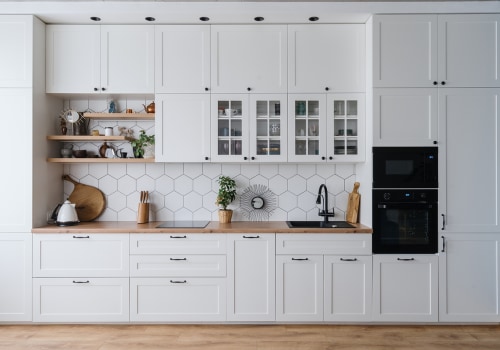
A cabinet door sample tells you about the visible finish, but it does not describe every material inside the cabinet. Before ordering a kitchen, ask the supplier to identify the construction of the boxes, shelves, backs and drawer components as well as the doors.
Request a material breakdown
Use a simple schedule with one row for each component. Ask for the material description and the manufacturer or product line where available. If two quotations use different materials, request an explanation of the practical differences instead of assuming that similar-looking doors mean equivalent cabinets.
Our overview of cabinet types and features is a useful starting point for the broader design discussion. Add the component schedule when narrowing the final selection.
Understand the composite-wood information
EPA’s consumer questions about composite wood products explain that regulated materials include hardwood plywood, medium-density fiberboard and particleboard, which are used in products such as kitchen cabinets. The guidance describes formaldehyde-emission standards under TSCA Title VI and the associated compliance labeling for regulated products and finished goods.
Ask the cabinet supplier to identify the applicable compliance information for the actual products being supplied. Keep that documentation with the order. A general description such as “wood cabinets” is not a substitute for knowing the materials and product details.
Separate documentation from performance promises
A compliance statement answers a specific product question. It does not tell you whether the drawer layout works for your cookware, whether a finish suits your cleaning routine or how a cabinet will be installed. Discuss those subjects separately with the designer and installer.
Request care instructions and warranty terms before choosing. Ask what cleaning products or conditions the manufacturer warns against, and where replacement hardware or panels can be obtained if needed later.
Check substitutions before accepting them
When the order is finalized, save the material schedule, selected finish, hardware details and supplier documents together. If a product becomes unavailable, ask for the proposed substitute in writing and compare it with the approved specification before authorizing the change.
At delivery, have the installer check the supplied products against the order and retain identifying labels or packaging photographs where practical. This small record helps keep the kitchen selection understandable long after the showroom samples have been returned.